

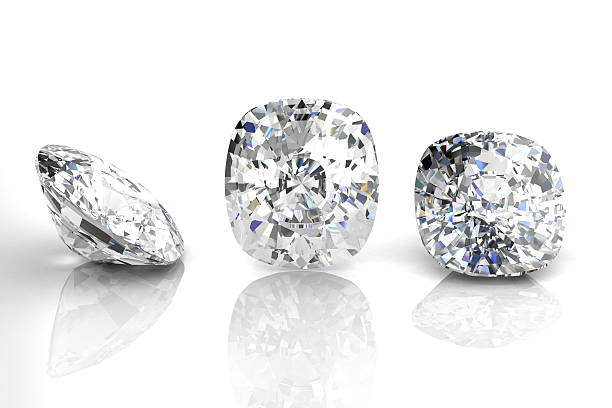
At first glance, cushion cut diamonds can appear straightforward. Their softly rounded corners and balanced proportions feel instantly recognisable. Yet within that familiar outline lies surprising variation. The cushion cut is not a single, fixed style, but a category that includes multiple interpretations.
For couples drawn to this romantic shape, understanding the nuances can transform how the final ring looks and feels.
Looking Beyond the Outline
When researching the types of cushion cut diamonds, many are surprised to discover how much diversity exists within the shape. While all cushion cuts share a square or rectangular silhouette with softened corners, the internal faceting can vary significantly.
These differences influence sparkle, depth, and overall character. Two cushion cuts of the same carat weight can feel entirely different depending on how they are crafted.
Recognising these variations allows for a more intentional decision.
The Classic Cushion Cut
The traditional cushion cut is often associated with a softer, more romantic glow. Its faceting may create larger flashes of light rather than rapid sparkle.
This style tends to evoke antique influence, with depth and warmth playing a central role. The stone may appear slightly deeper, offering a sense of richness rather than sharp brilliance.
For those drawn to heritage inspired designs, this version often feels aligned with that aesthetic.
The Modified Cushion Cut
Modern variations frequently incorporate additional facets, sometimes referred to as modified brilliant styles. These cuts enhance sparkle by increasing the number of reflective surfaces within the stone.
The result is a more energetic appearance, with light scattering in smaller, more frequent flashes. Compared to classic cushions, modified versions often feel brighter and more contemporary.
This difference can subtly shift the overall personality of the ring.
Square Versus Rectangular Proportions
Another key distinction lies in proportion. Some cushion cuts lean closer to a perfect square, while others are elongated into a rectangular shape.
Square cushions tend to feel balanced and compact. Rectangular cushions introduce direction and can create a lengthening effect on the finger.
The decision between the two often depends on personal preference and how the stone complements the hand’s natural proportions.
Facet Patterns and Visual Texture
Beyond shape and proportion, facet arrangement influences the visual texture of the diamond. Certain cushion cuts display a distinctive pattern within the stone, sometimes referred to informally as a crushed ice appearance due to its fragmented sparkle.
Others maintain larger, more defined facets that create broader flashes of light. The contrast between these styles can dramatically alter how the diamond feels in different lighting.
These subtleties often become clearer when viewed in person.
Balancing Vintage and Modern Aesthetics
Cushion cuts occupy a unique space between antique inspiration and contemporary refinement. Some versions emphasise depth and heritage, while others prioritise brilliance and clarity.
Understanding these differences helps couples choose a cushion that aligns with their broader aesthetic. A vintage inspired setting may complement a softer facet pattern, while a minimalist band can highlight a more brilliant cut.
The interplay between stone and setting shapes the final impression.
Everyday Wear and Practical Considerations
Because engagement rings are worn daily, proportion and depth matter for comfort as well as appearance. Deeper cushion cuts may sit slightly higher on the hand, while more evenly proportioned stones can feel balanced.
The rounded corners of cushion cuts generally reduce the risk of snagging compared to sharper shapes. This practical advantage often enhances their long term appeal.
Function and form intersect naturally within this cut.
How Light Influences Emotional Response
The way a cushion cut handles light often shapes emotional reaction. Softer glows can feel romantic and understated, while brighter sparkle may feel lively and dynamic.
Neither is inherently superior. Instead, each offers a different experience. Recognising which type of light interaction resonates most can guide the decision more effectively than focusing on carat weight alone.
Engagement jewellery is as much about feeling as it is about structure.
Longevity in a Changing Landscape
Despite fluctuations in popularity among other shapes, cushion cuts have maintained steady interest. Their adaptability allows them to evolve subtly without losing identity.
Whether square or elongated, classic or modified, the core silhouette remains balanced and enduring. This consistency contributes to long term relevance.
Timelessness often lies in variation within familiarity.
When the Details Make the Difference
Ultimately, understanding the types of cushion cut diamonds highlights how small details shape overall character. Faceting style, proportion, and depth each contribute to the stone’s personality.
For many couples, the choice becomes clearer once these nuances are recognised. The cushion cut’s softness and adaptability offer room for personal interpretation.
In the end, engagement jewellery is about selecting a design that feels aligned and lasting. Within the cushion cut family, subtle distinctions create a wide spectrum of possibilities, allowing each ring to feel distinctive while remaining rooted in a timeless silhouette.
